
How PMR Robotics and the G Gaiter Are Redefining Precision Healthcare in India
Traditional physiotherapy and manual rehabilitation infrastructure often struggle to meet this surge especially in semi‑urban and rural areas.
India stands at a crossroads in healthcare. With rising cases of strokes, spinal injuries, neuro‑muscular disorders, chronic diseases and an ageing population, the demand for effective rehabilitation and mobility‑restoring care is skyrocketing. Traditional physiotherapy and manual rehabilitation infrastructure often struggle to meet this surge especially in semi‑urban and rural areas.
Enter PMR (Physical Medical Robotics) a powerful convergence of robotics, AI, biomechanics and therapeutic science that promises consistent, high‑quality, scalable and data‑driven care. Originally focused on surgical robotics and diagnostics, PMR has evolved rapidly to include diagnostic assistants, assistive devices, and crucially rehabilitation robotics. Through this shift, PMR is unlocking a new paradigm in precision healthcare and recovery across India.
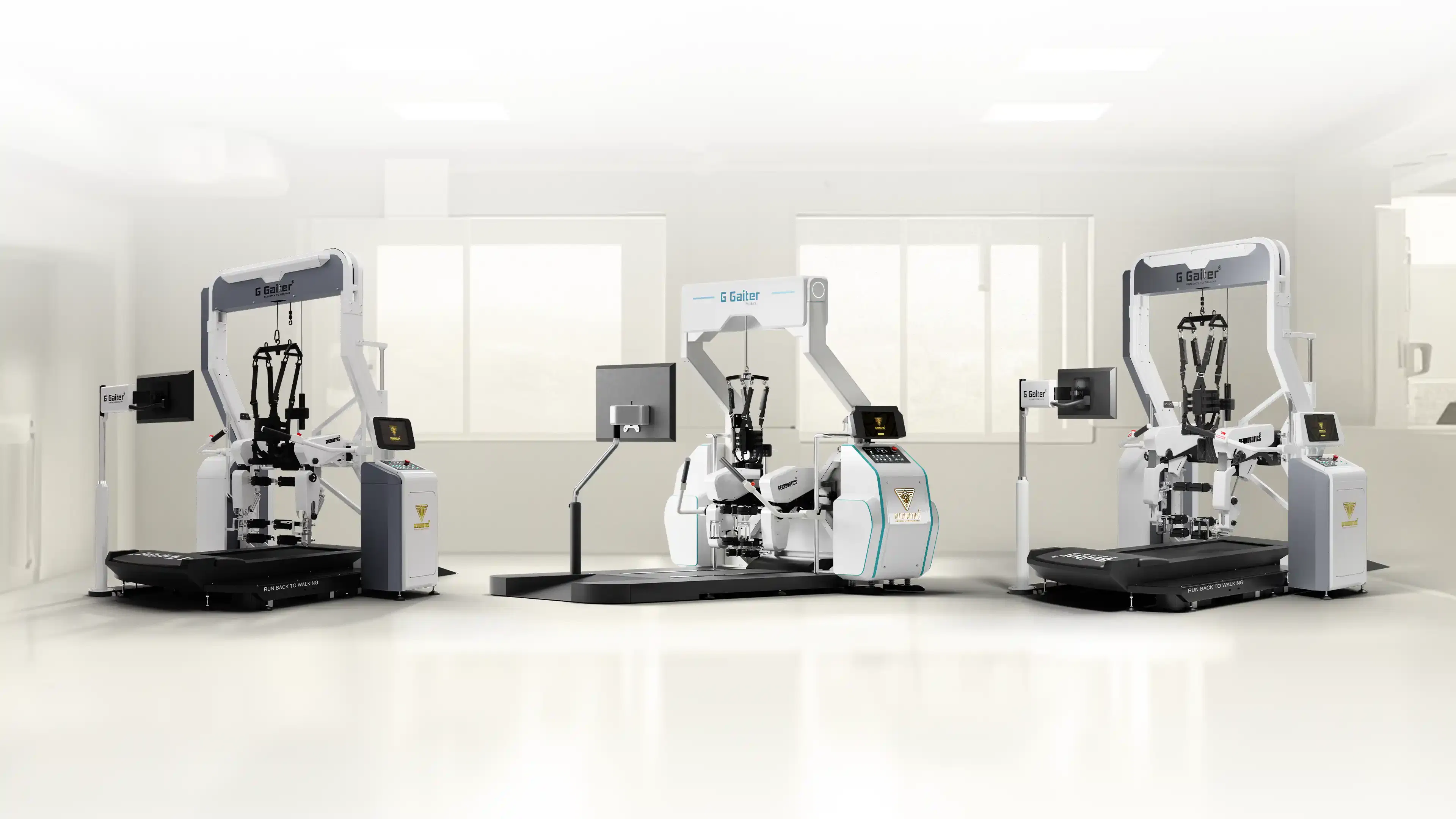
At the forefront of this transformation is G Gaiter, a robotic gait‑trainer designed to restore mobility, retrain neuromuscular coordination and bring walking and with it, independence back into the lives of patients.
The Rise of PMR & Healthcare Robotics in India
Over the past decade, global advances in robotics, AI, sensor fusion, motion control, and biomechanical engineering have given rise to what we now recognize as PMR a holistic approach where machines, algorithms, and medical knowledge converge to deliver care with high precision. In India, this is no longer just a futuristic concept: hospitals, startups and rehab centres are beginning to embrace robotics-based solutions.
Why India Needs Rehabilitation Robotics
India records around 1.5 million strokes annually. Many survivors require long‑term rehabilitation. However, the number of specialised rehab centres remains insufficient. Manual physiotherapy faces challenges such as therapist shortages, consistency issues, and limited capacity for high‑repetition therapy. PMR-based rehabilitation robotics becomes a game-changer by enabling consistent, repeatable therapy, adaptive assistance, and scalability making quality rehab accessible across India.
Core Applications of PMR
- Surgical Robotics
- Diagnostic & Imaging Robotics
- Rehabilitation & Assistive Robotics the fastest-growing sector
Rehabilitation robotics offers high‑repetition training, AI-based therapy adjustment, and measurable progress tracking.
Challenges in PMR Adoption
- High costs
- Limited awareness
- Shortage of trained professionals
- Lack of standardized protocols
- Affordability issues
Opportunities Ahead for PMR
- Make in India innovation
- Rising rehab demand
- Expansion into Tier‑2 & Tier‑3 cities
- Home-based robotic therapy
- AI-driven exoskeletons
- Smart hospital integration
Conclusion
PMR (Physical Medical Robotics) is transforming how India approaches recovery and rehabilitation. With innovations like GGaiter, PMR delivers personalized, data-driven, adaptive, and accessible care, restoring mobility and independence for millions. The future of healthcare in India will be robotic yet profoundly human.
Related Blogs
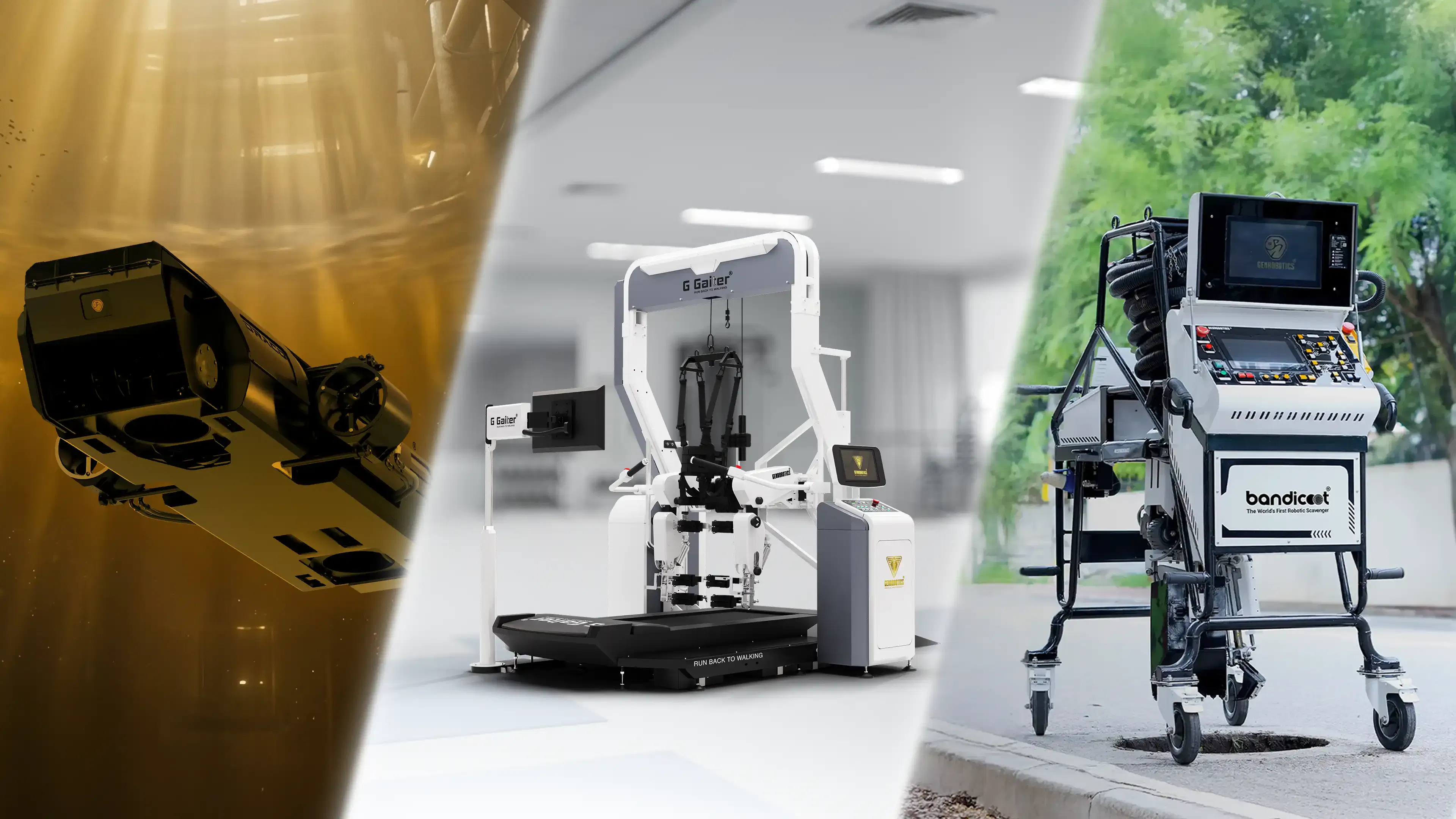
Extreme Environment Robotics in India Explained
When we think about robotics, we often picture controlled environments and predictable systems. But in India, robotics is evolving in places that are anything but controlled.
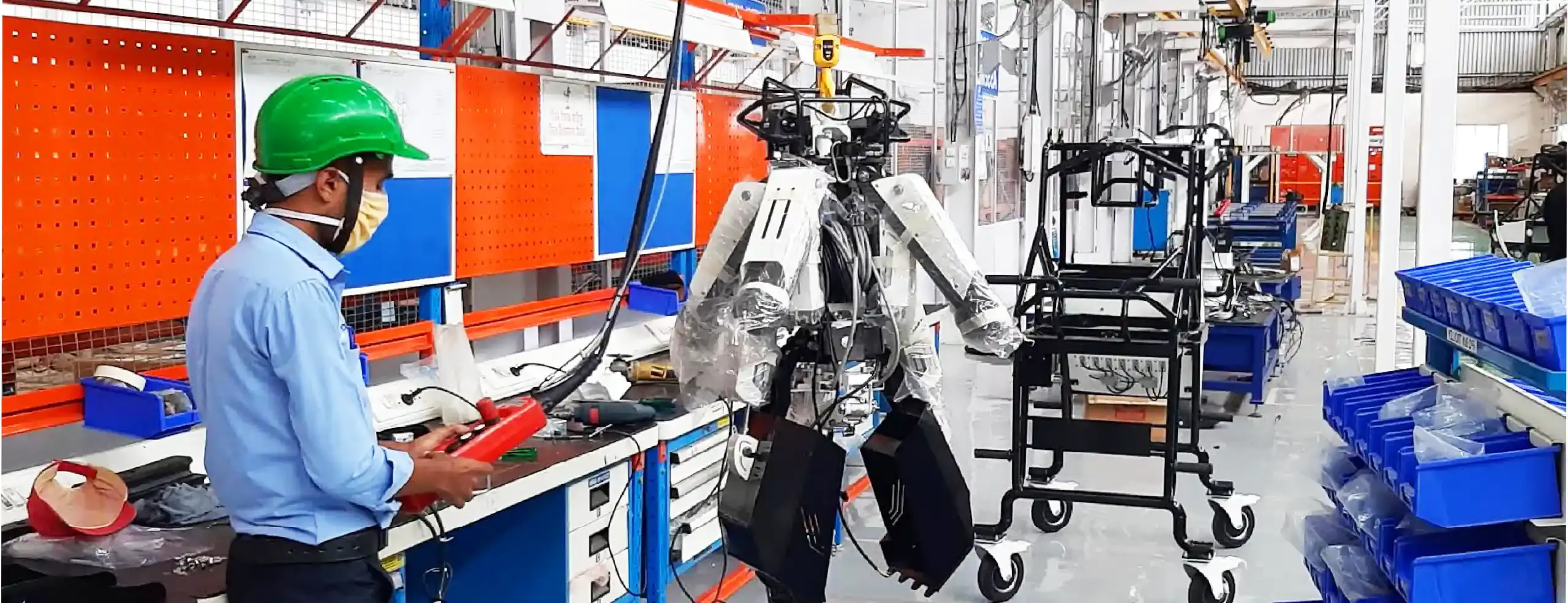
Guide to Building a Robotics Startup in India
India’s innovation landscape is undergoing a quiet but powerful transformation. For years, the startup ecosystem was dominated by software platforms and consumer applications. Today, a new wave of founders is building technologies that interact with the physical world.
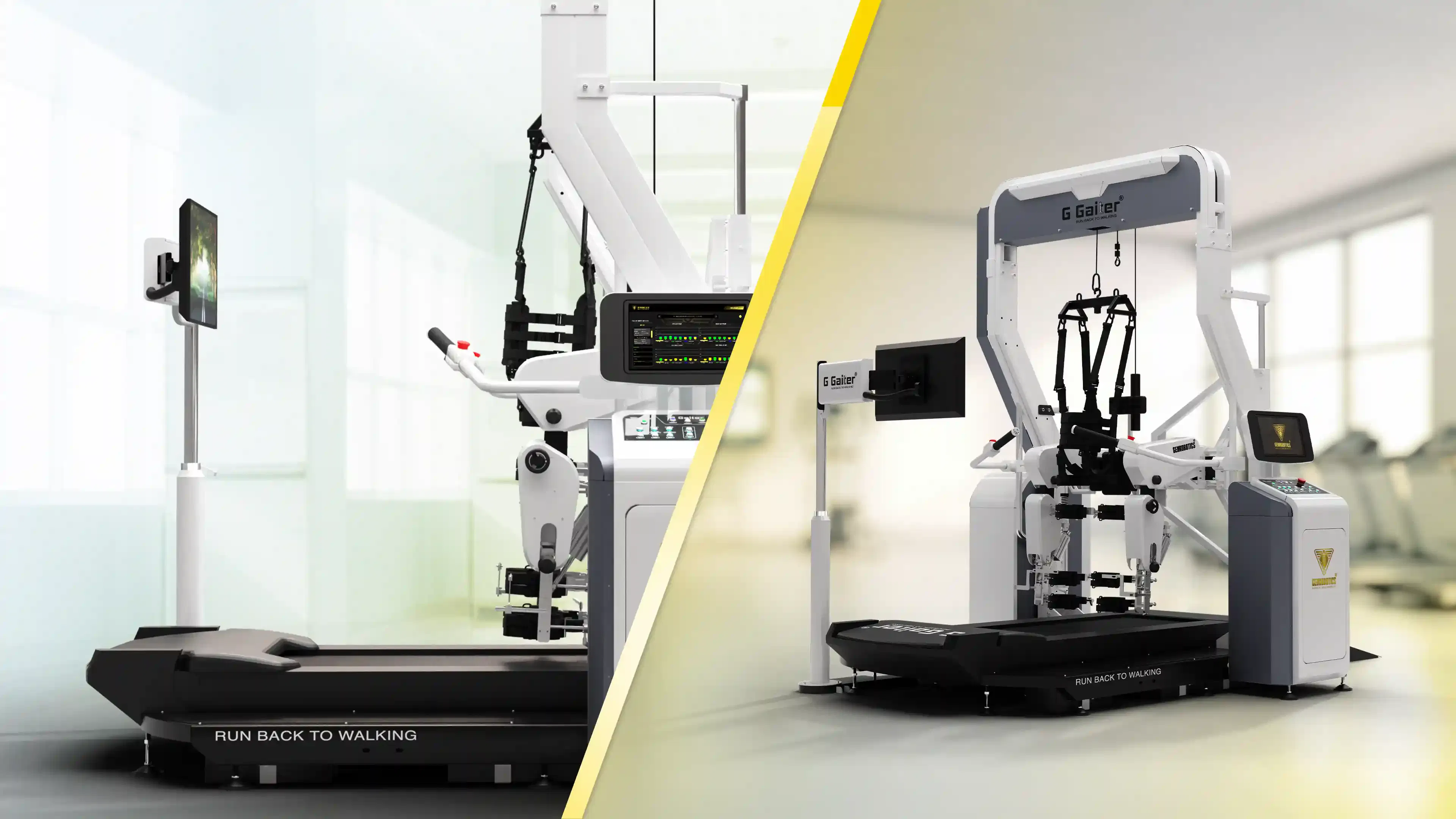
The Next Decade of Robotics in India, From Industry to Medical and Rehabilitation Technologies
Robotics is undergoing a global transformation, evolving from mechanical tools to intelligent collaborators that build, assist, and heal. What began as industrial automation has now entered hospitals, rehabilitation centers, and clinical environments.