
Robotics in Oil and Gas Asset Monitoring & Safety
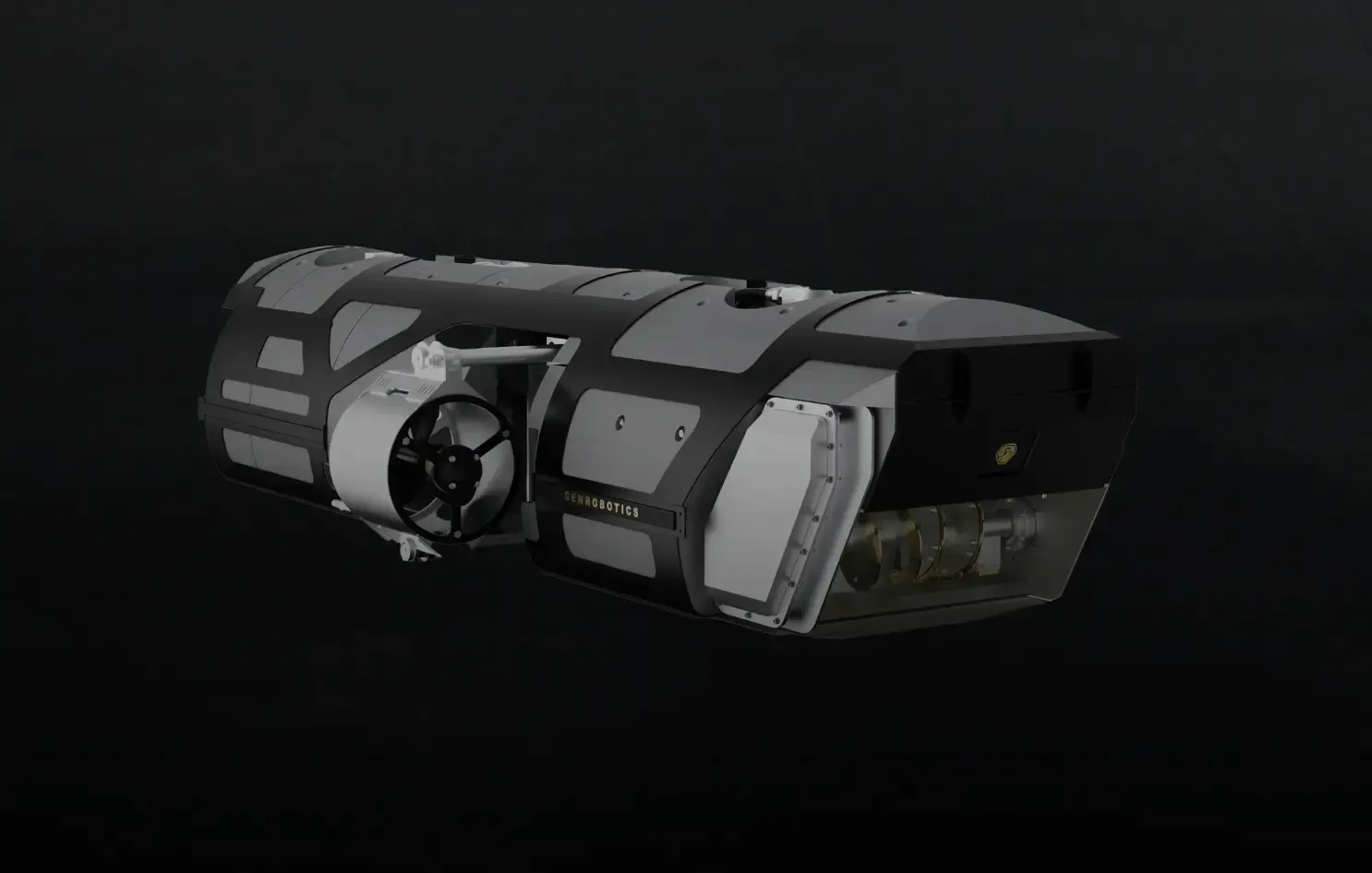
How Oil and Gas Robotics Is Transforming Asset Management
Introduction: How Oil and Gas Robotics Is Transforming Asset Management
Modern energy infrastructure relies on a vast network of pipelines, storage tanks, refineries, and industrial facilities. These assets must operate continuously while maintaining strict safety and reliability standards.
Oil and gas robotics refers to robotic systems designed to inspect, maintain, and monitor industrial infrastructure within the energy sector. These systems help companies reduce operational risks, improve efficiency, and collect critical infrastructure data.
Traditionally, many asset management tasks required human workers to enter hazardous environments such as confined tanks, high-pressure pipelines, and chemical processing zones. Today, industrial robotics is transforming how these tasks are performed.
Robotic systems can now inspect, clean, and monitor critical infrastructure while keeping workers out of dangerous environments. This shift is reshaping how the oil and gas industry approaches safety, maintenance, and long-term asset management.
What Is Asset Management in the Oil and Gas Industry?
Asset management in the oil and gas sector refers to the continuous monitoring, maintenance, and optimization of critical infrastructure throughout its lifecycle.
Energy systems depend on a complex network of interconnected assets that must operate reliably for decades, often under extreme conditions.
Key infrastructure assets include:
- Storage tanks and pressure vessels
- Pipelines and flow lines transporting crude oil and natural gas
- Offshore drilling platforms
- Refinery processing units
- Heat exchangers and valves
- Underground and confined industrial spaces
Effective asset management involves much more than repairing equipment after failures occur. It requires ongoing inspection, cleaning, monitoring, and preventive maintenance.
Traditional approaches relied heavily on manual inspections and scheduled shutdowns. While these methods can be effective, they often create several challenges:
- High safety risks for workers
- Limited real-time visibility into asset conditions
- Expensive operational downtime during maintenance
- Delayed detection of structural issues or corrosion
Oil and gas robotics is helping companies address these limitations by enabling safer and more frequent inspections.
Why Does the Oil and Gas Industry Need Robotics?
The oil and gas industry operates in some of the most demanding environments in the industrial world. These conditions make robotics a valuable solution for asset management and infrastructure monitoring.
Industrial robotics allows companies to perform inspections, maintenance, and cleaning tasks without exposing workers to hazardous environments.
Several factors are accelerating the adoption of robotics in the energy sector.
Hazardous Working Environments
Workers in oil and gas facilities may encounter dangerous conditions, including:
- Toxic gases such as hydrogen sulfide
- High-pressure pipelines and systems
- Corrosive chemicals and residues
- Extreme temperatures
- Confined industrial spaces
Robots can enter these environments safely while transmitting real-time data to operators.
Aging Infrastructure
Much of the global oil and gas infrastructure was built decades ago. These assets must continue operating while meeting modern safety and environmental standards.
Robotic inspection systems help detect early signs of corrosion, cracks, or structural damage.
High Cost of Downtime
Operational shutdowns are extremely expensive for energy companies. Even short interruptions can lead to major financial losses.
Oil and gas robotics allows inspections and maintenance to occur while systems remain operational, minimizing downtime.
How Are Robots Used for Inspection in Oil and Gas Facilities?
Robotic inspection systems are machines designed to navigate industrial infrastructure and collect detailed data about asset conditions.
Inspection robots are among the most widely used robotics solutions in the oil and gas industry. These systems act like mechanical explorers inside complex industrial environments.
They can move through pipelines, crawl along tank walls, and enter confined spaces that are difficult or dangerous for humans to access.
Robotic inspection systems can monitor:
- Internal surfaces of storage tanks
- Pipeline corrosion and structural cracks
- Gas leaks or pressure anomalies
- Offshore platform structures
- Hard-to-reach industrial environments
Unlike manual inspections, robotic systems produce consistent and repeatable results. High-resolution cameras, sensors, and diagnostic tools capture detailed information that engineers can analyze in real time.
This improves both safety and the accuracy of infrastructure assessments.
How Robotics Is Transforming Industrial Tank Cleaning
Inspection is only one part of asset management. Industrial facilities also require regular cleaning to remove sludge, chemical deposits, and other residues.
Historically, cleaning storage tanks required workers to enter confined spaces. These operations carried significant safety risks.
Robotic tank cleaning systems allow industrial tanks to be cleaned without human entry.
Modern robots can perform several critical tasks:
- Cleaning storage tanks remotely
- Removing sludge and hazardous chemical deposits
- Preparing tanks for maintenance or inspection
- Handling contaminated materials safely
- Operating inside confined industrial vessels
These robots typically include cameras, sensors, and specialized tools that allow operators to control the system remotely.
By using oil and gas robotics for cleaning operations, companies significantly reduce worker exposure to hazardous environments while improving operational efficiency.
Why Data Is the Hidden Value of Industrial Robotics
One of the most powerful advantages of robotics is the data these systems generate.
Modern robotic platforms are equipped with advanced sensors that continuously collect information about infrastructure health.
Key types of operational data include:
- High-resolution inspection images and video
- Structural integrity measurements
- Temperature and gas level readings
- Pressure and flow rate analysis
- Corrosion and material degradation indicators
When integrated with digital asset management systems, this data enables predictive maintenance.
Predictive maintenance uses real-time infrastructure data to identify potential failures before they occur.
Instead of responding to breakdowns, operators can detect early warning signs and schedule maintenance proactively. This approach improves reliability while reducing unexpected shutdowns.
How Oil and Gas Robotics Improves Worker Safety
While robotics improves efficiency and data collection, the most important benefit is safety.
Energy infrastructure often exposes workers to dangerous conditions. Robotic systems reduce the need for humans to enter hazardous environments.
Deploying robots allows companies to:
- Eliminate human entry into confined spaces
- Reduce exposure to toxic gases and chemicals
- Minimize accident-related downtime
- Improve compliance with safety regulations
Industrial robotics does not replace human workers. Instead, it changes their role.
Many workers now operate robotic systems, analyze inspection data, and manage advanced industrial technologies. This transition creates a safer and more technologically skilled workforce.
Integrating Robotics Into Existing Oil and Gas Infrastructure
One reason robotics adoption is increasing rapidly is its compatibility with existing infrastructure.
Oil and gas facilities cannot easily shut down for large-scale upgrades. Technologies must integrate with current systems without disrupting operations.
Modern industrial robotics platforms are designed for flexible deployment.
Robots can operate within:
- Existing pipelines and vessels
- Active refineries and processing plants
- Legacy infrastructure systems
- Confined industrial spaces without structural modification
Robotic platforms can also integrate with broader digital technologies, including:
- SCADA monitoring systems
- Industrial Internet of Things (IIoT) networks
- Digital twin infrastructure models
- Enterprise asset management software
This integration allows robotics to become part of a larger digital transformation strategy.
What Are Next-Generation Robotics for Industry?
Next-generation robotics for industry refers to advanced robotic systems that combine automation, artificial intelligence, and real-time data analysis to manage complex industrial environments.
The future of oil and gas robotics will include systems that are more autonomous, intelligent, and adaptable.
Several key innovations are emerging:
- Autonomous navigation inside complex facilities
- AI-driven analysis of inspection data
- Multi-purpose robots capable of inspection, cleaning, and repair
- Advanced teleoperation systems for remote asset management
- Continuous infrastructure monitoring through robotic networks
These technologies will enable near-continuous monitoring of industrial assets, allowing companies to detect problems long before they become critical.
Challenges of Implementing Robotics in Oil and Gas Operations
Despite its advantages, robotics adoption comes with several challenges.
Organizations must consider technical, operational, and cultural factors before implementing large-scale robotic systems.
Common challenges include:
- Initial investment costs for robotic equipment
- Integration with legacy infrastructure systems
- Training personnel to operate robotic platforms
- Organizational resistance to technological change
However, companies that successfully adopt robotics often see significant long-term benefits in safety, operational efficiency, and asset longevity.
The Future of Energy Infrastructure and Industrial Robotics
Global energy systems are becoming increasingly complex. Companies must maintain aging infrastructure while meeting stricter safety and environmental regulations.
Oil and gas robotics offers a powerful solution to these challenges.
By combining robotics with advanced data analytics and digital infrastructure platforms, companies gain deeper visibility into asset health and operational performance.
At Genrobotics, robotics is not simply about automation. It is about protecting human lives while building smarter industrial systems.
Robots handle the most dangerous tasks inside complex environments. Engineers analyze the data and guide strategic decisions.
Together, human expertise and intelligent machines are creating the next generation of safer and more resilient energy infrastructure.
Conclusion
Oil and gas robotics is rapidly transforming how energy infrastructure is inspected, maintained, and managed.
From robotic inspection systems to automated tank cleaning technologies, industrial robotics improves safety, reduces downtime, and provides critical operational data.
These systems enable predictive maintenance, protect workers from hazardous environments, and extend the lifespan of vital industrial assets.
As next-generation robotics for industry continues to evolve, companies that adopt these technologies will gain a significant advantage in safety, efficiency, and long-term infrastructure resilience.
At Genrobotics, we believe the future of industrial operations lies in collaboration between people and intelligent machines. Robotics will take on the most dangerous tasks, allowing human expertise to focus on innovation, oversight, and the continued advancement of safer industrial systems.
FAQ: Oil and Gas Robotics
What is oil and gas robotics?
Oil and gas robotics refers to robotic systems designed to inspect, clean, and maintain infrastructure in energy facilities. These robots operate in hazardous environments such as pipelines, storage tanks, and refineries to improve safety and efficiency.
How are robots used in the oil and gas industry?
Robots are used for pipeline inspections, tank cleaning, structural monitoring, leak detection, and predictive maintenance. They collect detailed data that helps engineers monitor asset health and prevent failures.
Why is industrial robotics important for energy infrastructure?
Industrial robotics improves safety, reduces operational downtime, and provides accurate infrastructure data. Robots can enter hazardous environments where human workers face significant risks.
What is predictive maintenance in oil and gas operations?
Predictive maintenance uses real-time data collected from sensors and robotic systems to identify potential equipment failures before they occur. This allows companies to schedule maintenance proactively and avoid costly shutdowns.
What are next-generation robotics for industry?
Next-generation robotics for industry refers to advanced robotic systems that combine automation, artificial intelligence, and real-time data analysis to manage complex industrial infrastructure more efficiently.
Related Blogs

Can India Become a Global Robotics Leader?
A decade ago, the idea of robots cleaning sewers, assisting rehabilitation therapy, monitoring urban infrastructure, or supporting public healthcare systems in India would have sounded futuristic. Today, some of these technologies are no longer concepts confined to laboratories or global tech conferences. They are entering Indian streets, hospitals, municipalities, and industrial ecosystems in real and measurable ways.

How Robotics Can Prevent Drainage Crises During Monsoon Season
Understanding why urban India floods the way it does requires going underground, quite literally, and examining the state of the infrastructure we rarely think about until it stops working.

Extreme Environment Robotics in India Explained
When we think about robotics, we often picture controlled environments and predictable systems. But in India, robotics is evolving in places that are anything but controlled.