
Designing Robots for Dangerous Jobs and Extreme Sites
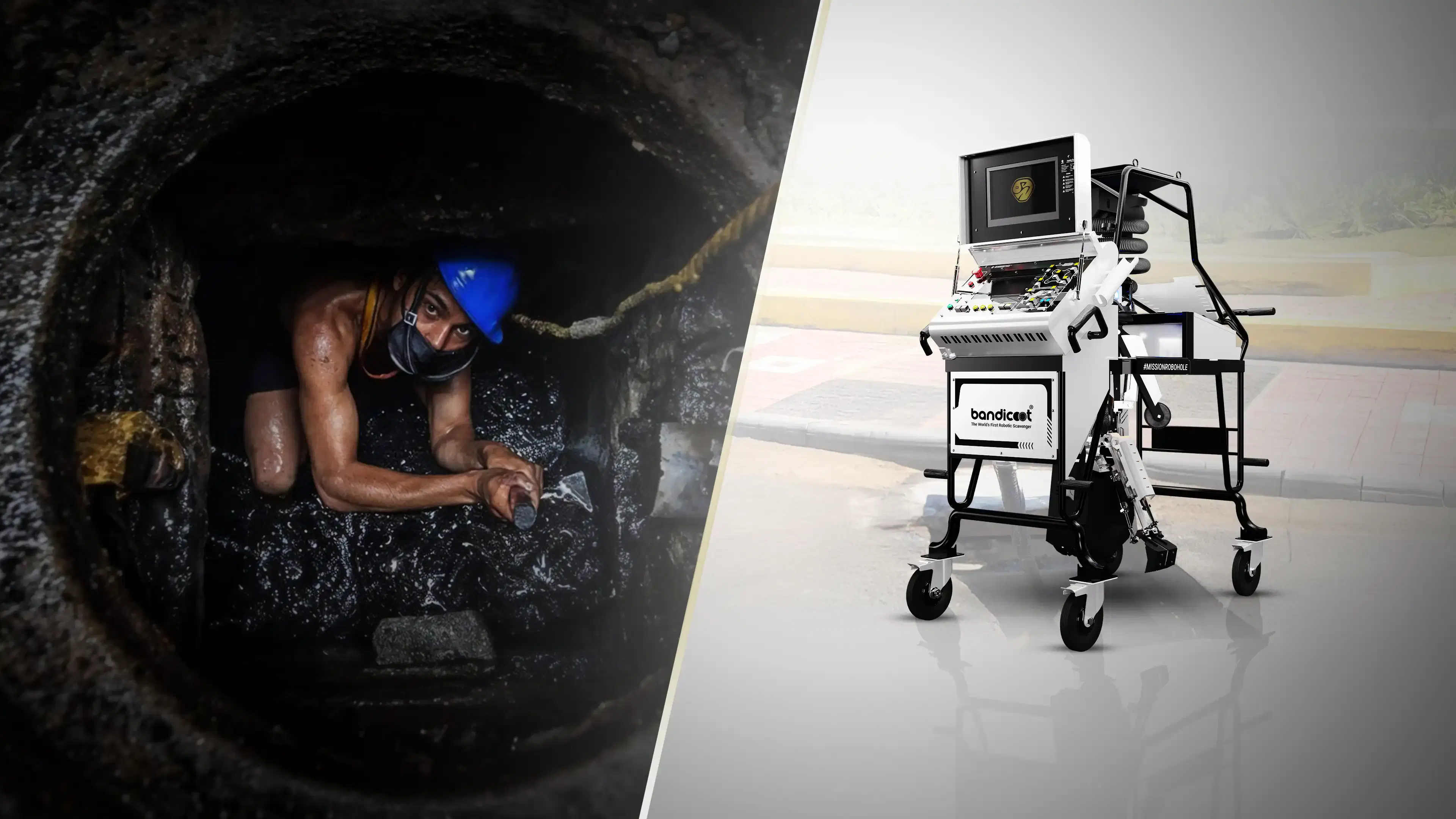
Across industries and cities, many critical operations occur in places that are unsafe for human entry. These environments include underground sewers filled with toxic gases, confined industrial tanks, oil and gas facilities operating under high pressure, disaster zones with unstable structures, and contaminated industrial areas.
Introduction: Why Hazardous Environment Robotics Matters
Across industries and cities, many critical operations occur in places that are unsafe for human entry. These environments include underground sewers filled with toxic gases, confined industrial tanks, oil and gas facilities operating under high pressure, disaster zones with unstable structures, and contaminated industrial areas.
Maintaining these spaces is essential for modern infrastructure. However, sending humans into such environments exposes workers to severe risks.
This is where hazardous environment robotics plays a crucial role. Robots designed for dangerous conditions help inspect, clean, maintain, and monitor these environments without exposing humans to life-threatening situations.
In India, the rise of the robotics startup India ecosystem is closely connected to solving such real-world safety challenges. These startups are not building robots for convenience; they are building machines designed to transform industrial safety and protect human lives.
This article explores the engineering challenges behind hazardous environment robotics, the technologies that make these systems possible, and how robotics startups are redefining safety in high-risk environments.
What Is Hazardous Environment Robotics?
Hazardous environment robotics refers to robotic systems designed to operate in environments that pose significant risks to human safety.
These environments may involve toxic gases, confined spaces, extreme temperatures, corrosive materials, or unstable structures.
In simple terms, hazardous environment robotics enables machines to perform dangerous tasks that would otherwise require human exposure to life-threatening conditions.
Typical applications include:
- Sewer and drainage inspection
- Industrial tank and vessel cleaning
- Pipeline inspection in oil and gas facilities
- Monitoring chemical plants
- Disaster response operations
- Underground infrastructure maintenance
Because these environments are unpredictable, designing such robots requires advanced engineering and specialized technologies.
What Defines a Hazardous Environment?
A hazardous environment is any location where human entry carries a high risk of injury, illness, or fatality.
These environments are often poorly mapped, difficult to access, and hostile to both humans and machines.
Common Hazardous Environments
Examples of hazardous environments include:
- Sewer and drainage systems containing toxic gases
- Oil and gas tanks, pipelines, and refineries
- Confined industrial vessels and boilers
- Chemical plants with corrosive materials
- Disaster zones after floods, fires, or structural collapse
- Underground utility networks with low oxygen levels
Because these locations present unpredictable challenges, robotics solutions must be designed differently from conventional industrial automation systems.
Why Is Hazardous Environment Robotics So Challenging?
Robots operating in factory floors typically function in controlled environments with predictable conditions.
Hazardous environment robotics must operate in environments that are wet, corrosive, irregular, dark, and constantly changing.
Engineering such robots involves challenges across several domains, including:
- Mechanical design
- Electronics and sensing
- Communication systems
- Power management
- Software intelligence
- Human–machine interaction
Each of these factors must be carefully engineered to ensure that the robot can operate safely and reliably.
Engineering Challenge 1: Surviving Extreme Physical Conditions
One of the biggest challenges in hazardous environment robotics is environmental survivability.
Robots must withstand conditions that would normally damage conventional machines.
Common Environmental Stress Factors
Hazardous environments may expose robots to:
- High humidity and water immersion
- Corrosive chemicals and sewage
- Extreme heat or cold
- Dust, sludge, and debris
- Mechanical shocks and impacts
To operate reliably in such environments, robots must be built with:
- Corrosion-resistant materials
- Sealed electronic enclosures
- High ingress protection ratings
- Rugged mechanical frames
Durability is not optional in hazardous robotics. Even small component failures can cause major operational risks.
Engineering Challenge 2: Mobility in Confined and Irregular Spaces
Hazardous environments rarely follow standardized layouts.
Pipelines vary in diameter, manholes differ in depth, and industrial tanks may contain internal obstructions.
Designing robots capable of navigating these environments requires advanced mobility systems.
Key Mobility Requirements
Robots operating in confined spaces must be able to:
- Navigate narrow passages
- Move vertically and horizontally
- Operate on slippery or uneven surfaces
- Adapt to changing spatial constraints
This challenge is particularly significant in India, where infrastructure varies widely across regions.
Robotics startup India ventures must therefore design adaptable systems rather than relying on uniform infrastructure conditions.
Engineering Challenge 3: Reliable Sensing and Environmental Perception
Robots cannot operate safely in hazardous environments without accurate situational awareness.
However, perception in such environments is extremely difficult due to visibility and environmental limitations.
Major Sensing Challenges
Robotic sensing systems must function despite:
- Low or zero visibility
- Murky water or airborne particles
- Absence of GPS signals underground
- Sensor interference from moisture or chemicals
To overcome these issues, hazardous environment robots rely on multiple sensors working together.
Common Sensors Used
Typical sensing systems include:
- High-resolution cameras with protective housings
- Gas sensors for toxic atmosphere detection
- Proximity and depth sensors
- Temperature and pressure sensors
This approach, known as sensor fusion, allows robots to interpret environmental conditions even when one sensor fails or becomes unreliable.
Engineering Challenge 4: Power Management and Operational Endurance
Power management is another major constraint in hazardous environment robotics.
Robots often operate in locations where battery replacement or charging is not possible during operations.
Key Power Design Considerations
Engineers must carefully balance:
- Battery capacity and robot weight
- Energy efficiency of motors and actuators
- Optimized control algorithms to reduce power consumption
- Heat dissipation in sealed environments
If a robot loses power inside a hazardous environment, retrieving it may become extremely difficult.
As a result, endurance and reliability are critical design priorities.
Engineering Challenge 5: Communication in Hostile Environments
Maintaining reliable communication between a robot and its operator is essential for safe operation.
However, hazardous environments often interfere with communication signals.
Common Communication Issues
Robotic systems operating in confined spaces may face:
- Signal loss underground
- Interference from metal structures
- Industrial electromagnetic interference
- Limited bandwidth for real-time video transmission
To address these challenges, engineers develop communication systems that remain stable even with intermittent connectivity.
Many robotic systems also include fail-safe mechanisms that allow the robot to pause operations or return safely if communication is lost.
Engineering Challenge 6: Precision and Control in High-Risk Tasks
Many hazardous operations require extremely precise movements.
Robots must perform delicate tasks such as removing waste, cutting obstructions, or handling hazardous materials without damaging surrounding structures.
Tasks That Require High Precision
Examples of high-precision operations include:
- Removing solid waste in confined sewer spaces
- Cutting pipeline obstructions without damaging pipes
- Handling corrosive or toxic materials
Achieving such precision requires advanced control systems, responsive actuators, and intuitive operator interfaces.
Poor control mechanisms can result in equipment damage or safety risks.
Engineering Challenge 7: Human–Robot Interaction and Operator Training
Even the most advanced robot is only as effective as the person operating it.
Many operators are not robotics engineers. They may be sanitation workers, industrial technicians, or emergency response personnel.
For this reason, robotics engineers must prioritize human-centered design.
Key Interface Design Goals
Operator systems must:
- Be easy to learn and operate
- Provide clear visual feedback
- Minimize cognitive workload
- Enable safe operation during stressful situations
Successful hazardous environment robotics solutions combine advanced engineering with strong training and usability design.
How Robotics Startups in India Are Transforming Industrial Safety
India presents both a challenge and an opportunity for robotics innovation.
Many high-risk tasks across sanitation, infrastructure, and industrial operations still rely on manual labor.
This reality has driven the growth of the robotics startup India ecosystem.
These startups focus on solving real-world safety challenges rather than purely theoretical problems.
Strengths of Indian Robotics Startups
Many Indian robotics companies demonstrate several key advantages:
- Deep understanding of local operational conditions
- Cost-effective engineering approaches
- Strong focus on social impact and worker safety
- Ability to design systems for unpredictable environments
Companies such as Genrobotics illustrate how a robotics startup transforming industrial safety can combine advanced engineering with a mission to eliminate hazardous manual work.
Why Hazardous Environment Robotics Will Shape the Future
As cities expand and industries modernize, the number of hazardous environments requiring maintenance will increase.
At the same time, global standards for worker safety are becoming stricter.
Hazardous environment robotics provides a sustainable solution to these challenges.
Long-Term Benefits of Robotics in Dangerous Environments
Robotic systems help:
- Remove humans from life-threatening tasks
- Improve operational consistency and reliability
- Enable predictive maintenance of infrastructure
- Support compliance with safety regulations
- Create skilled technology-driven jobs
Tasks once considered impossible or too dangerous to automate are now becoming central to next-generation robotics innovation.
Conclusion: The Future of Robotics in Dangerous Environments
Designing robots for hazardous environments is one of the most complex challenges in modern engineering.
These systems must survive extreme conditions, navigate unpredictable spaces, sense their surroundings accurately, and perform high-risk tasks with precision.
In India, the rise of purpose-driven robotics startups has accelerated innovation in this field.
A robotics startup India ecosystem focused on hazardous environment robotics is proving that advanced engineering can directly improve worker safety and industrial reliability.
As industries and cities continue to evolve, robotics will play an increasingly important role in protecting lives while ensuring that critical infrastructure operates safely and efficiently.
FAQ: Hazardous Environment Robotics
What is hazardous environment robotics?
Hazardous environment robotics refers to robotic systems designed to operate in dangerous environments where human entry is unsafe. These robots perform tasks such as inspection, cleaning, and monitoring in industries like sanitation, oil and gas, and chemical processing.
Why are robots used in hazardous environments?
Robots are used to reduce human exposure to dangerous conditions such as toxic gases, extreme temperatures, confined spaces, and unstable structures.
What technologies enable hazardous environment robotics?
Key technologies include artificial intelligence, sensor fusion, rugged mechanical design, computer vision, advanced control systems, and remote communication technologies.
How are robotics startups in India contributing to industrial safety?
Robotics startups in India are developing systems that automate hazardous tasks in sanitation, infrastructure maintenance, and industrial environments, significantly improving worker safety.
What industries benefit from hazardous environment robotics?
Industries that benefit include sanitation services, oil and gas, chemical processing, disaster response, infrastructure maintenance, and industrial manufacturing.
Related Blogs
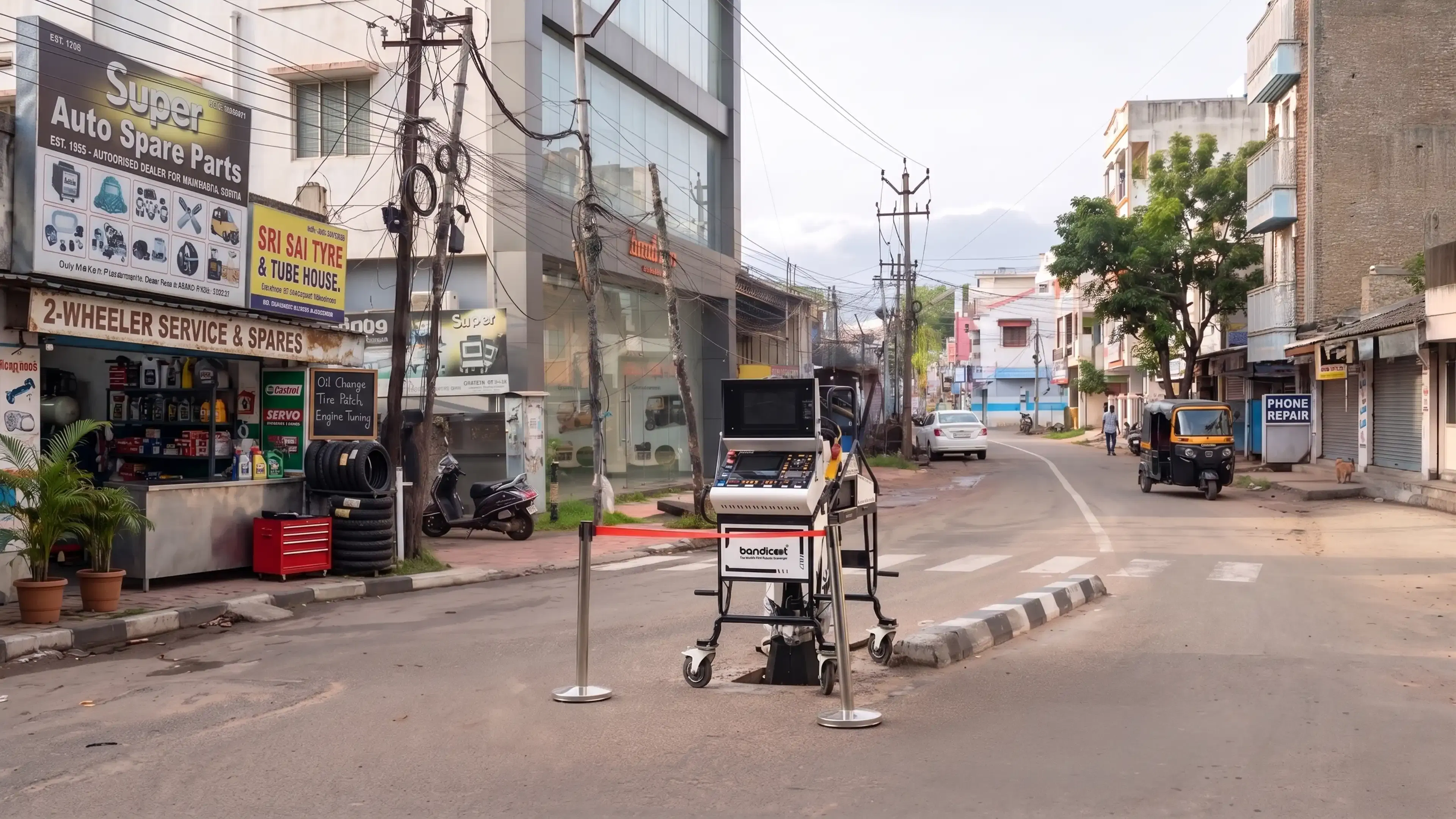
Can India Become a Global Robotics Leader?
A decade ago, the idea of robots cleaning sewers, assisting rehabilitation therapy, monitoring urban infrastructure, or supporting public healthcare systems in India would have sounded futuristic. Today, some of these technologies are no longer concepts confined to laboratories or global tech conferences. They are entering Indian streets, hospitals, municipalities, and industrial ecosystems in real and measurable ways.
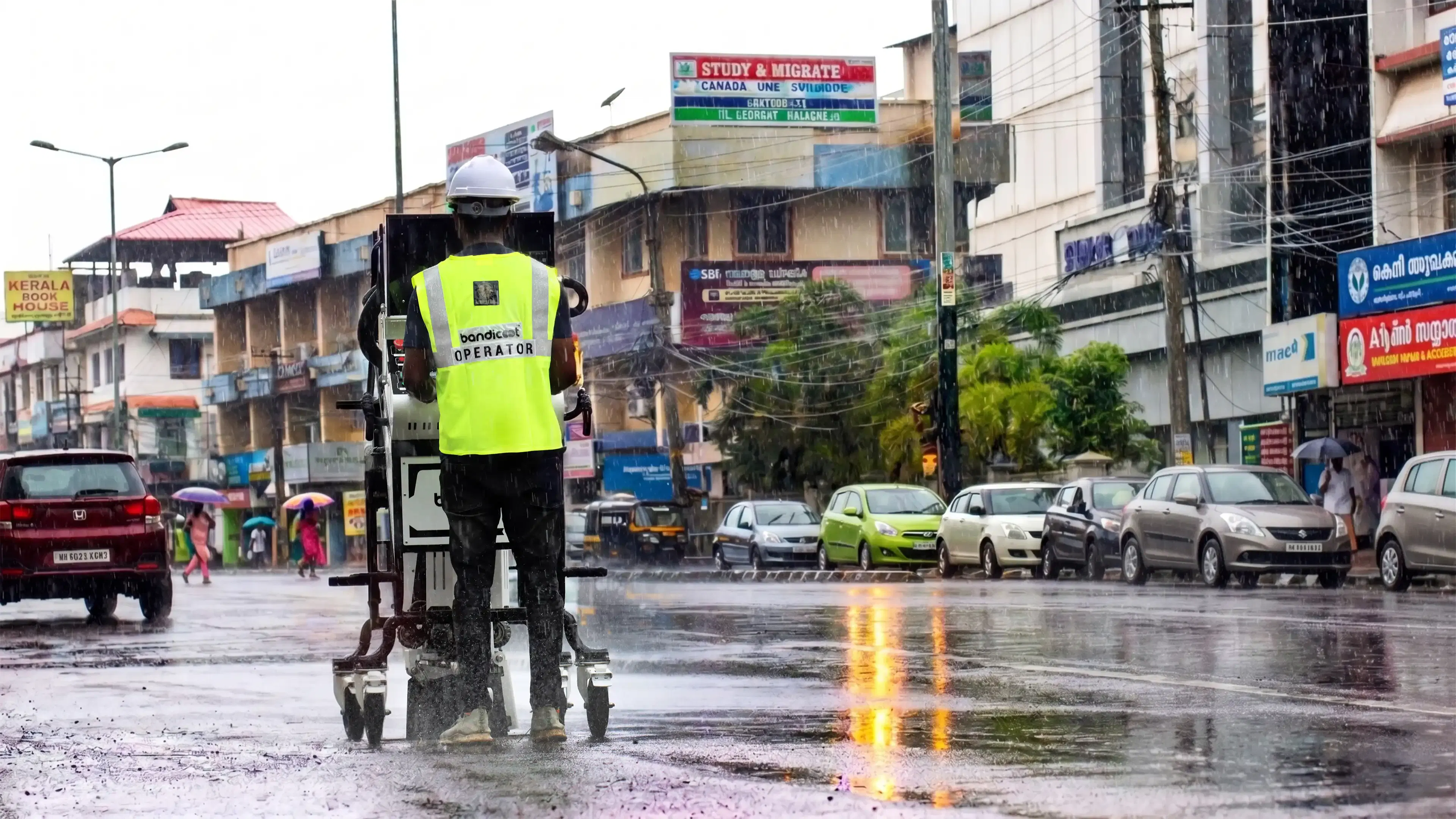
How Robotics Can Prevent Drainage Crises During Monsoon Season
Understanding why urban India floods the way it does requires going underground, quite literally, and examining the state of the infrastructure we rarely think about until it stops working.
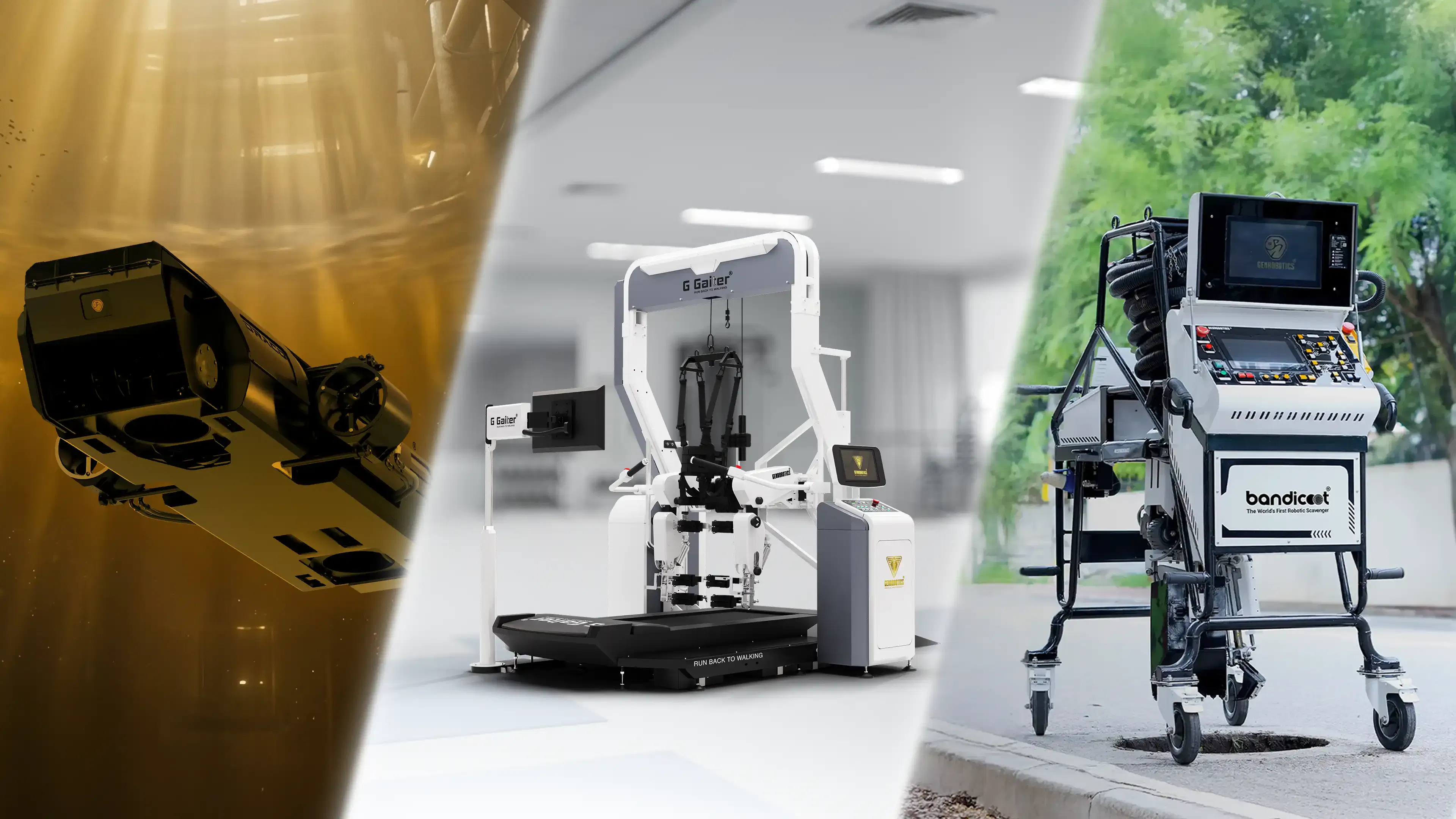
Extreme Environment Robotics in India Explained
When we think about robotics, we often picture controlled environments and predictable systems. But in India, robotics is evolving in places that are anything but controlled.